Press Release
| PRESS RELEASE: |
Embargoed Until 9:00 a.m. Wednesday, March 15th, 2006 |
| CONTACT: |
Rafael Lemaitre: 2023956618 cell: 2023688424 |
EXPERTS GATHER IN VIRGINIA TO DISCUSS RANDOM DRUG TESTING AS AN EFFECTIVE, CONFIDENTIAL AND NON-PUNITIVE WAY TO REDUCE DRUG USE
Students with an Average Grade of "D" or Below More than Four Times More Likely to Have Used Marijuana in the Past Year
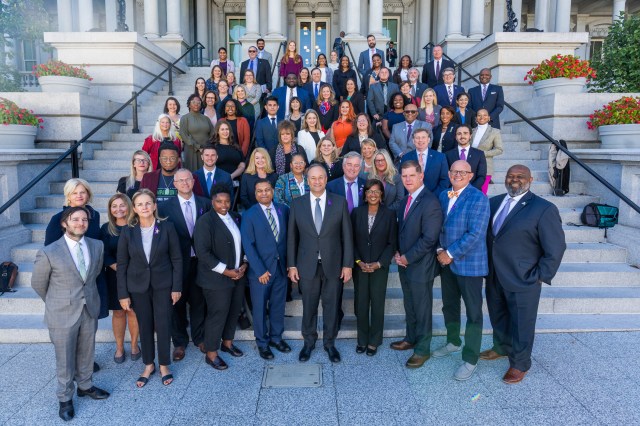
(Washington, D.C.)John P. Walters, Director of National Drug Control Policy (ONDCP), convened a summit in Falls Church, Virginia today to discuss random drug testing as an effective, confidential, and non-punitive way to deter and treat drug use among young people in the Washington, D.C. area. The summit focused on sharing information on drug testing programs and Federal funding opportunities with state and local education officials as well as community leaders. In 2003, the United States Supreme Court ruled that random drug testing programs are valid and must be confidential and non-punitive. Hundreds of schools across the nation have already begun random testing programs and are seeing success:
|
Director Walters said, "Parents, school administrators, and educators are not powerless against the drug problem. Random drug testing of high school students gives students who are under peer pressure from drug-using peers an excuse to say 'no' and provides parents with help in keeping their children drug-free. Random testing deters students from using dangerous, addictive drugs, and identifies those who may need help or drug treatment early and in a confidential way. It is a powerful public health tool."
According to the latest Monitoring the Future survey of nationwide youth drug use, more than 50 percent of high school students have used an illegal drug. The same report has found that while overall youth drug use is down since 2001, there has also been a 40 percent increase in the non-medical use of prescription drugs among high school students since 2002.
President Bush has requested $15 million dollars for random drug testing programs for FY 2007. Almost $10 million have already been granted to over 400 schools to implement testing programs since 2003. For more information on random testing programs visit: